
Many newer vehicles use cameras and sensors near the windshield to support important driver-assistance features. After windshield replacement or certain vehicle repairs, these systems may require professional recalibration so the applicable cameras and sensors are aligned according to manufacturer specifications.
Clear Vision Auto Glass provides professional ADAS calibration in New Hyde Park, NY for drivers whose vehicles may require windshield camera or driver-assistance system recalibration after glass replacement or related service.
Whether you recently had a windshield replaced, are seeing a camera warning message, or were told that calibration is required for your vehicle, our team can help review the vehicle information and determine the appropriate next step.
Call 516-715-5097 or text your VIN to 516-715-5097 so we can identify your vehicle and applicable equipment.
Learn more about our broader technology calibration services.
ADAS stands for Advanced Driver Assistance Systems.
These systems are designed to support the driver by using information from cameras, sensors, and vehicle computers. Depending on the vehicle, ADAS technology may use:
Calibration is the process of aligning or configuring the applicable cameras and sensors according to manufacturer specifications.
When properly configured, supported systems may use this information to interpret lane markings, vehicles ahead, road signs, pedestrians, distance, speed, and movement.
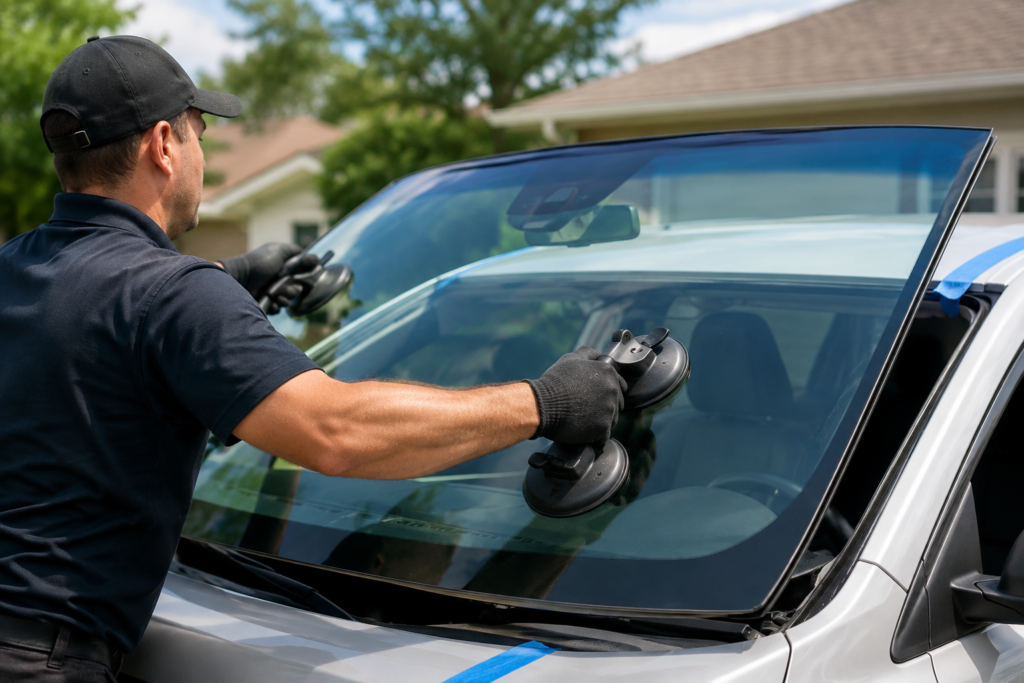
ADAS is designed to assist the driver, not replace attentive driving.
The exact driver-assistance features installed on a vehicle vary by year, make, model, trim, and equipment.
Common systems that may depend on properly positioned cameras or sensors include:
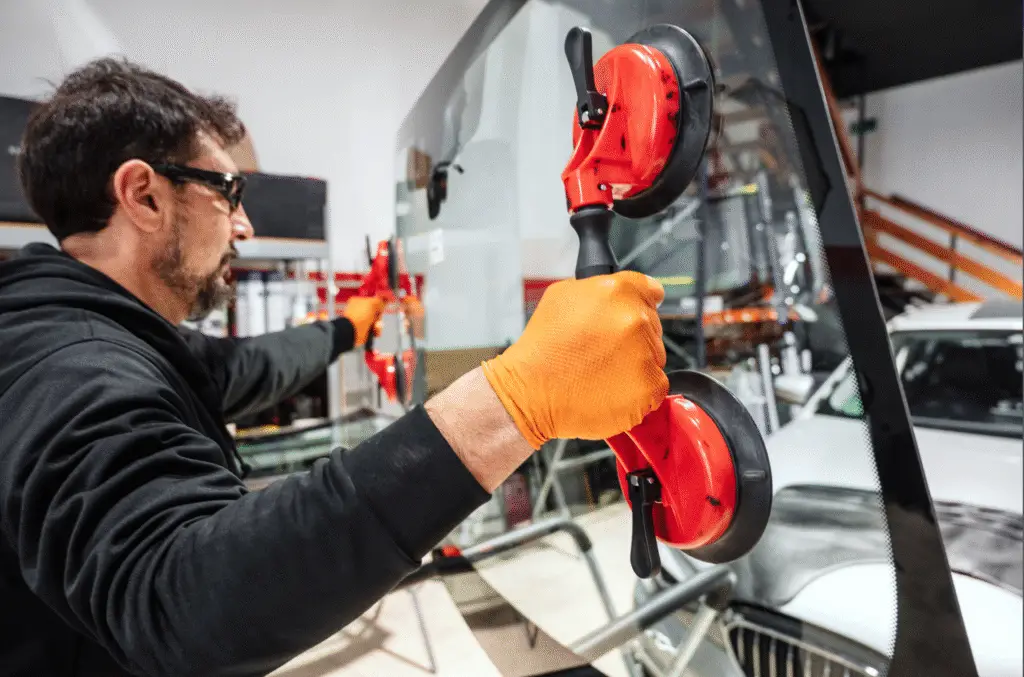
This feature can alert the driver when the vehicle begins to leave its detected lane.
Lane-keeping systems may provide steering input to help the vehicle remain within its lane.
This feature can warn the driver when the system detects a potential frontal collision.
On equipped vehicles, automatic emergency braking may apply the brakes when the system determines that an imminent collision risk is present.
Adaptive cruise control can adjust vehicle speed based on surrounding traffic and the distance to vehicles ahead.
Camera technology may be used to identify certain road signs.
Some systems are designed to identify pedestrians near the vehicle’s path.
Because equipment varies widely, the VIN is useful when determining which driver-assistance features are installed and whether a specific calibration procedure applies.
There are several situations in which ADAS recalibration in New Hyde Park may be required.
These can include:
Windshield replacement is one of the most common reasons a forward-facing camera may need recalibration because many modern cameras are mounted directly to the windshield or to a bracket attached to it.
However, not every vehicle has the same technology, and not every windshield replacement automatically requires calibration. Requirements depend on the vehicle and manufacturer procedures.
Many forward-facing ADAS cameras are positioned behind the rearview mirror, attached to a windshield bracket, or aimed through a specific area of the glass.
When the windshield is replaced, even a small change in camera position or mounting angle may affect how the system interprets information such as:
Professional calibration after windshield replacement in New Hyde Park helps return applicable cameras and systems to the manufacturer’s required positioning or configuration.
If your windshield needs to be replaced because of extensive damage, visit our auto glass replacement service.
If the damage is limited to an eligible chip or minor crack, our windshield repair service may allow the existing windshield to remain in place. Standard chip repair generally does not require ADAS calibration because the windshield is not removed.
ADAS calibration is not a one-size-fits-all procedure. Manufacturer requirements determine the method used for each vehicle.
Static calibration is performed while the vehicle remains stationary.
Depending on the manufacturer, the procedure may require:
The calibration equipment and targets must be positioned according to the specific vehicle procedure.
Dynamic calibration is performed while the vehicle is driven under manufacturer-specified conditions.
Requirements can include:
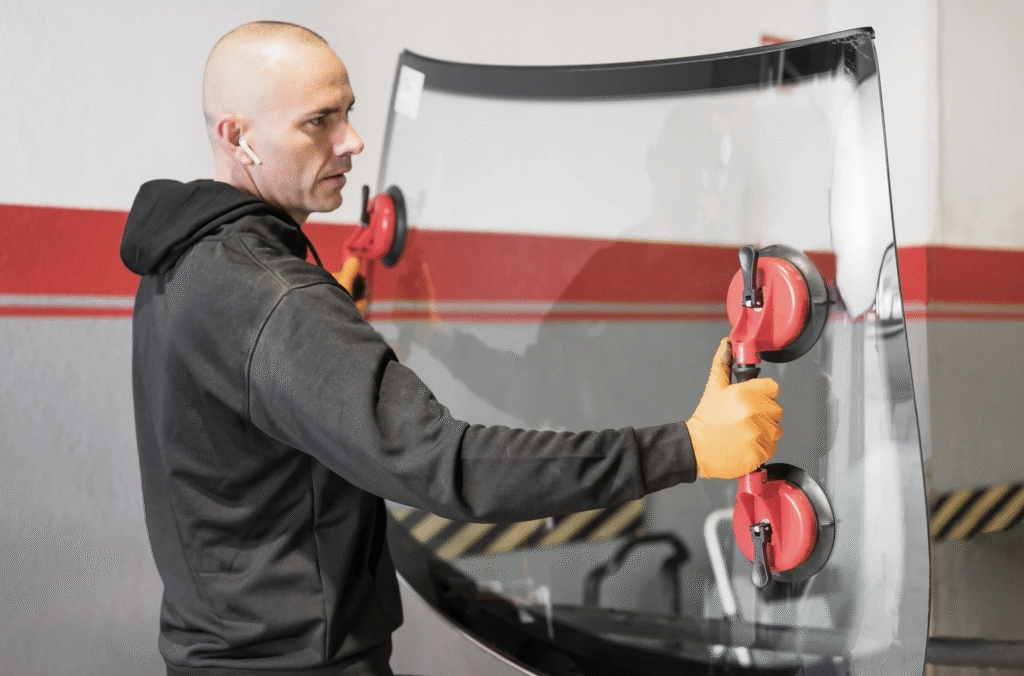
Some vehicles require both static and dynamic calibration.
The appropriate procedure depends on the vehicle manufacturer’s requirements rather than customer preference or a universal calibration method.
Certain symptoms may suggest that a vehicle’s camera or driver-assistance system needs attention.
Possible indicators include:
These symptoms do not automatically confirm that calibration is the problem.
A warning light, unavailable feature, or unusual system behavior can also be caused by damaged sensors, wiring problems, other electronic faults, or unrelated vehicle issues. Additional diagnosis may therefore be necessary.
The calibration process begins with identifying the vehicle and understanding the work that has already been performed.
The year, make, model, VIN, trim, and installed safety features are reviewed.
Applicable replacement glass, camera brackets, camera position, and surrounding components can be checked.
Relevant warning messages or trouble codes may be reviewed when applicable.
Manufacturer procedures may require verification of conditions such as:
Required targets, diagnostic equipment, or road-driving procedures are prepared.
Static, dynamic, or combination calibration is completed according to the applicable manufacturer procedure.
The system is checked to confirm that the required calibration procedure completed successfully.
Available service or calibration records can be provided to the customer.
Calibration is intended to address the applicable alignment or configuration procedure. It should not be assumed to correct unrelated mechanical or electronic problems.
Some windshield-related services can be performed through mobile appointments, but calibration requirements vary considerably.
A calibration may require:
For that reason, windshield camera calibration in New Hyde Park may not always be appropriate for a driveway, parking lot, or other mobile location.
Service location depends on the vehicle, calibration method, manufacturer procedure, equipment needs, weather, traffic conditions, and available working space.
Clear Vision Auto Glass can review the vehicle information and explain what type of service environment may be required.
New Hyde Park drivers routinely encounter busy intersections, multi-lane roads, stop-and-go traffic, highway merging, shopping-area congestion, pedestrian activity, and daily commuter traffic.
Drivers traveling along Jericho Turnpike, New Hyde Park Road, Hillside Avenue, Lakeville Road, and Marcus Avenue may rely on equipped driver-assistance systems throughout normal daily driving.
The same applies to Nassau County commuters using Northern State Parkway, Cross Island Parkway, or parking near the New Hyde Park LIRR station area.
When a vehicle’s manufacturer requires recalibration after windshield replacement or another applicable repair, completing that procedure helps ensure supported systems are configured according to the manufacturer’s specifications.
ADAS systems can assist drivers, but calibration does not guarantee accident prevention and driver attention remains essential.
Insurance coverage for windshield replacement and related calibration varies by policy and the reason the service is required.
Clear Vision Auto Glass can assist customers with:
Coverage, reimbursement, claim approval, deductible treatment, and out-of-pocket costs depend on the individual insurance policy.
Visit our auto glass insurance assistance page for more information about insurance-related service coordination.
Modern vehicle glass service increasingly involves more than the glass itself.
Clear Vision Auto Glass works with windshield-related technology and focuses on clear explanations, accurate vehicle identification, manufacturer procedures, and honest recommendations.
Our approach includes:
For busy Long Island drivers, understanding whether calibration is actually required can make the repair process easier and help avoid unnecessary confusion.
Clear Vision Auto Glass provides vehicle safety-system calibration in New Hyde Park and serves drivers throughout surrounding Nassau County communities.
Our service area includes drivers from Garden City Park, Floral Park, Mineola, Manhasset Hills, North New Hyde Park, Herricks, Lake Success, Williston Park, Albertson, and Stewart Manor.
Visit our service area locations page to learn more about nearby communities we serve.
ADAS calibration is closely connected to windshield and auto glass service, but other types of vehicle glass problems may require different solutions.
For severe or unexpected damage affecting visibility or vehicle security, visit our emergency auto glass repair service.
If side, rear, door, or quarter glass is cracked or shattered, our window glass repair service focuses on physical vehicle-window damage.
If side-window glass remains intact but will not move normally, is stuck, travels crooked, or falls into the door, our window mechanism repair service addresses mechanical window-operation problems.
Drivers with unusual or hard-to-source vehicle glass can explore our specialty glass installation services.
Commercial operators and fleet managers can also learn more about commercial and specialty vehicle services.
If you are unsure whether your vehicle needs windshield replacement, repair, calibration, or another service, contact Clear Vision Auto Glass with your vehicle information and VIN.
ADAS calibration is the process of aligning and configuring applicable vehicle cameras or sensors according to manufacturer specifications so supported driver-assistance systems can operate as intended.
No. Many newer vehicles with windshield-mounted cameras require calibration, but the requirement depends on the vehicle's year, make, model, trim, installed technology, and manufacturer procedure.
Your vehicle may have ADAS if it includes lane departure warning, automatic emergency braking, adaptive cruise control, forward collision warning, lane-keeping assistance, or similar features. The VIN can help identify installed equipment.
Static calibration uses specialized targets and equipment while the vehicle remains stationary. Dynamic calibration is completed while driving under manufacturer-specified road conditions. Some vehicles require both.
Some related auto glass services may be mobile, but many calibration procedures require controlled conditions, specialized equipment, precise target positioning, or road testing. The proper location depends on the vehicle and required method.
Timing varies based on the vehicle, calibration method, setup requirements, road conditions, weather, and whether additional diagnostics are necessary.
If the manufacturer requires recalibration and it is not completed, supported driver-assistance features may not operate as intended.
Coverage depends on the customer's policy and the reason calibration is needed. When calibration is required after a covered windshield replacement, it may also be included in the claim, subject to the insurer and policy terms.
No. Some warning lights may result from damaged sensors, wiring problems, system faults, or unrelated vehicle issues that require additional diagnosis.
Provide the vehicle year, make, model, VIN, details about any recent windshield service, and any dashboard warning messages. Clear photos may also help.
If your vehicle recently had a windshield replaced, its windshield-mounted camera was disturbed, or a driver-assistance warning has appeared, contact Clear Vision Auto Glass.
We provide professional ADAS calibration in New Hyde Park, NY and surrounding Nassau County communities, with procedures determined by the vehicle and manufacturer requirements.