
Many newer vehicles use cameras and sensors positioned near the windshield to support important driver-assistance features. After windshield replacement or certain vehicle repairs, these systems may require professional recalibration so the applicable cameras and sensors are configured according to manufacturer specifications.
Clear Vision Auto Glass provides professional ADAS calibration in Massapequa, NY, including windshield camera and vehicle safety-system calibration for qualifying vehicles throughout Massapequa and surrounding Nassau County communities.
Whether your windshield was recently replaced, a forward-facing camera was removed, or your vehicle is displaying an ADAS-related warning, our technology calibration services can help determine the appropriate next step based on your vehicle and its equipment.
ADAS stands for Advanced Driver Assistance Systems. These systems use a combination of vehicle technology to support the driver while operating the vehicle.
Depending on the year, make, model, trim, and installed equipment, an ADAS system may use:
Professional vehicle safety-system calibration in Massapequa involves aligning or configuring applicable cameras and sensors according to the vehicle manufacturer’s procedures.
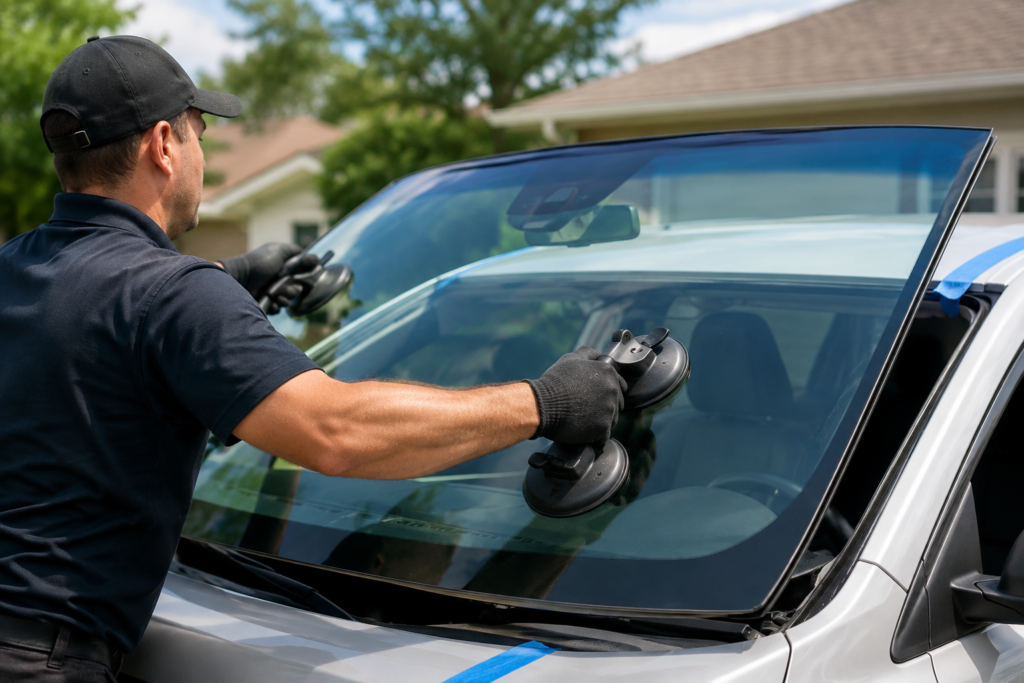
These systems may use information about lane markings, vehicles ahead, road signs, pedestrians, distance, speed, and movement to support different driver-assistance features.
ADAS technology is intended to assist the driver. It does not replace attentive driving, safe decision-making, or responsibility behind the wheel.
Different vehicles offer different combinations of driver-assistance technology. Some common features that may depend on correctly positioned cameras or sensors include:
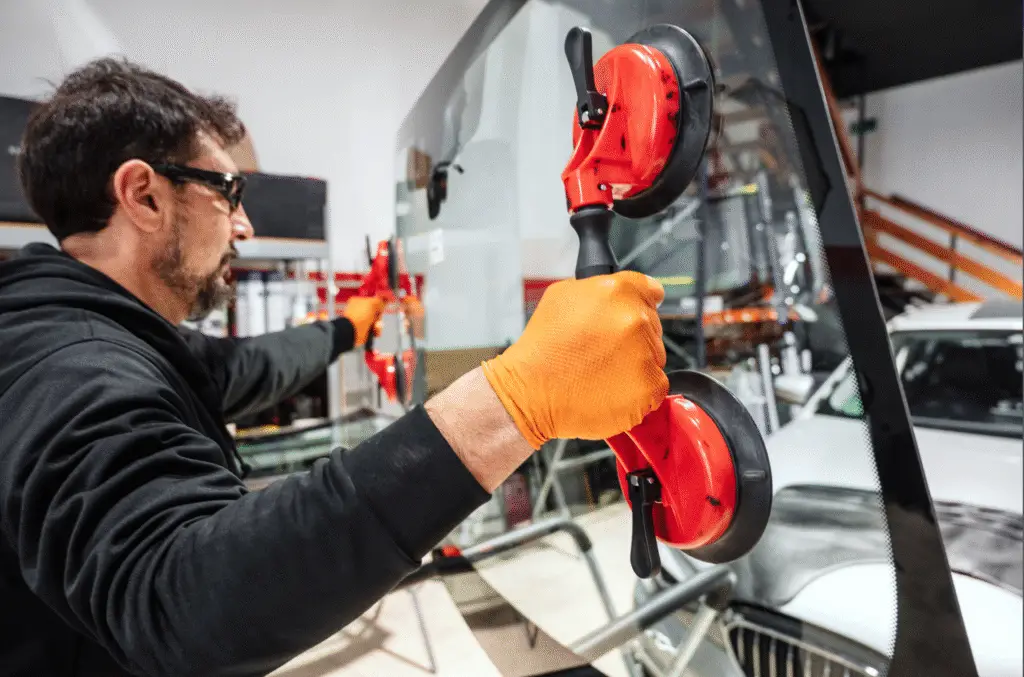
Lane departure warning may alert the driver when the vehicle begins to move outside its detected lane.
Lane-keeping assistance may provide steering input to help the vehicle remain within its lane under supported conditions.
Forward collision warning may notify the driver when the system detects a possible frontal collision risk.
Automatic emergency braking may apply the brakes when the vehicle detects an imminent collision risk under supported conditions.
Adaptive cruise control can adjust vehicle speed in response to surrounding traffic.
Some vehicles use camera technology to identify certain traffic signs and display relevant information to the driver.
Pedestrian-detection systems may help identify pedestrians near the vehicle’s path.
Not every vehicle includes these features, and equipment can vary even between different trims of the same model. Your VIN can help identify the technology installed on your specific vehicle.
Professional ADAS recalibration in Massapequa may be required after certain repairs or changes that affect camera or sensor positioning.
Common situations include:
Windshield replacement is one of the most common reasons a forward-facing camera may need recalibration because many modern camera systems are mounted directly to or positioned through the windshield.
Calibration requirements vary by vehicle. The manufacturer’s procedures should determine whether calibration is needed and what method should be used.
Many forward-facing cameras are positioned behind the rearview mirror or attached to a bracket mounted directly to the windshield. The camera may also be designed to look through a specific area of the glass.
When the windshield is removed and replaced, even a change in camera angle, bracket position, or mounting relationship can affect how the system interprets its surroundings.
Depending on the vehicle, the camera may help detect:
Professional calibration after windshield replacement in Massapequa helps configure the applicable system according to manufacturer specifications after new glass has been installed.
If your damaged windshield cannot be safely repaired and needs complete replacement, learn more about our auto glass replacement services.
For smaller chips and qualifying minor cracks, windshield repair may allow the existing glass to remain in place. Because the windshield is not removed during a standard chip repair, calibration generally is not required solely because of the repair.
There is no single calibration procedure that applies to every vehicle. Manufacturer requirements may call for static calibration, dynamic calibration, or a combination of both.
Static calibration is performed while the vehicle remains stationary.
Depending on the vehicle, the process may require:
Because of these requirements, static windshield camera calibration in Massapequa may need to be performed in a controlled workspace rather than at an ordinary parking location.
Dynamic calibration is performed while the vehicle is driven under manufacturer-specified conditions.
Requirements may include:
Conditions on the road can affect whether a dynamic procedure can be completed successfully.
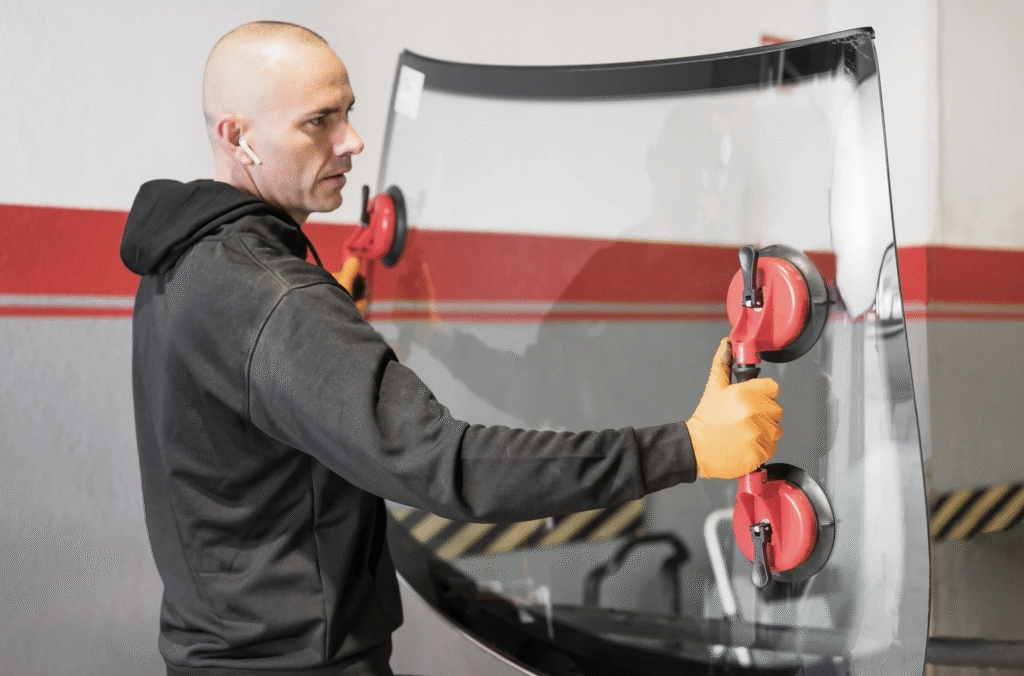
Some vehicles require both static and dynamic procedures.
The correct calibration method is determined by the vehicle manufacturer’s specifications rather than by a universal procedure.
Certain vehicle behaviors or warning messages may indicate that inspection or calibration should be considered.
Possible indicators include:
These symptoms do not automatically confirm that calibration is the problem. Damaged sensors, wiring faults, electronic problems, mechanical issues, or other conditions may also cause similar warnings.
Additional diagnostics may therefore be necessary before the cause can be identified.
If windshield damage becomes severe or unexpectedly affects safe visibility, our emergency auto glass repair services may also help you determine your service options.
The exact process varies by vehicle, but a professional calibration appointment may include the following steps.
The first step is identifying important vehicle information such as:
The technician may inspect the replacement windshield, camera bracket, camera position, and surrounding components.
Relevant dashboard messages, diagnostic information, or trouble codes may be reviewed when applicable.
Manufacturer-required preparation can include checking tire pressure, fuel level, vehicle loading, alignment, and ride height.
The required targets, diagnostic equipment, measurements, or road-driving procedure are prepared.
The applicable static, dynamic, or combination procedure is completed according to vehicle requirements.
The calibration process is checked to confirm that the specified procedure completed successfully.
Available calibration or service records can be provided following the procedure.
Calibration is intended to address systems requiring recalibration. It should not be expected to correct unrelated electrical, sensor, wiring, or mechanical problems.
While windshield replacement may sometimes be available through mobile service when conditions permit, calibration has different environmental and equipment requirements.
Depending on the vehicle and procedure, calibration may require:
For this reason, not every automotive camera calibration in Massapequa can be performed at a home, workplace, driveway, or parking lot.
Service location depends on the vehicle, manufacturer procedure, calibration method, weather, traffic conditions, available working space, and equipment requirements.
Texting your VIN before scheduling can help determine which procedures may apply to your vehicle.
Massapequa drivers regularly encounter a mixture of busy intersections, multi-lane roads, highway merging, stop-and-go traffic, pedestrian activity, shopping-area traffic, and daily commuting.
Routes such as Sunrise Highway and Merrick Road carry substantial local traffic, while Broadway, Hicksville Road, and Massapequa Avenue connect drivers through surrounding neighborhoods and commercial areas.
Drivers traveling the Southern State Parkway or Seaford-Oyster Bay Expressway may also encounter higher-speed merging and changing traffic conditions. Around the Massapequa LIRR station area, motorists regularly share busy roadways with commuters and pedestrians.
ADAS features such as lane departure warning, forward collision warning, and automatic emergency braking are designed to support drivers under applicable conditions. Proper Nassau County ADAS calibration helps ensure that supported camera and sensor systems are configured according to the manufacturer’s requirements.
These systems cannot guarantee collision prevention and should never be treated as a substitute for attentive driving.
When calibration is required as part of a windshield replacement, insurance questions may become another part of the repair process.
Clear Vision Auto Glass can provide auto glass insurance assistance with matters such as:
Insurance coverage depends on your specific policy and the reason the calibration is required. Claim approval, full coverage, deductible waivers, reimbursement, and zero out-of-pocket expense cannot be guaranteed.
Modern windshield work increasingly involves more than the glass itself. Cameras, mounting brackets, vehicle safety technology, and manufacturer procedures may all need to be considered when servicing a late-model vehicle.
Clear Vision Auto Glass focuses on:
Whether you drive daily through Massapequa, commute from Massapequa Park or Seaford, manage vehicles in Wantagh or Bellmore, or operate commercial vehicles elsewhere in Nassau County, our goal is to help make the calibration process clear and practical.
Clear Vision Auto Glass provides qualifying calibration services for drivers throughout Massapequa and surrounding communities.
Our service area also includes North Massapequa, Farmingdale, Amityville, Plainedge, North Bellmore, Copiague, and other nearby Nassau County communities.
Visit our service area locations to learn more about where Clear Vision Auto Glass provides auto glass and related vehicle technology services.
Your vehicle may require other glass-related services before or alongside calibration. Clear Vision Auto Glass can also assist with:
For questions about your vehicle, calibration requirements, or scheduling, contact Clear Vision Auto Glass with your VIN and service information.
ADAS calibration is the process of aligning or configuring applicable vehicle cameras and sensors according to manufacturer specifications so supported driver-assistance systems can operate as intended.
No. Many newer vehicles equipped with windshield-mounted cameras require calibration, but the requirement depends on the vehicle's year, make, model, trim, installed technology, and manufacturer procedures.
Your vehicle may have ADAS if it includes features such as lane departure warning, automatic emergency braking, adaptive cruise control, forward collision warning, or lane-keeping assistance. Your VIN can help identify installed equipment.
Static calibration uses specialized targets and equipment while the vehicle remains stationary. Dynamic calibration is performed while the vehicle is driven under manufacturer-specified road conditions. Some vehicles require both methods.
Some related auto glass services may be available through mobile service, but many calibration procedures require controlled conditions, specialized equipment, precise target placement, or road testing. The proper service location depends on the vehicle and calibration requirements.
Timing varies depending on the vehicle, calibration method, setup requirements, road conditions, weather, and whether additional diagnostic work is needed.
If manufacturer-required recalibration is not completed, supported driver-assistance features may not operate as intended.
Coverage depends on your policy and why the calibration is required. When calibration is required as part of a covered windshield replacement, it may be included in the associated claim, but coverage should be confirmed with the insurer.
No. Warning lights may also be caused by damaged sensors, electrical problems, wiring faults, system errors, or unrelated vehicle issues. Additional diagnostics may be required.
Provide your vehicle's year, make, model, VIN, information about any recent windshield or vehicle repair, and details about dashboard warning messages. Clear photos may also help with the initial assessment.
If your vehicle recently had a windshield replaced, its windshield-mounted camera was disturbed, or its driver-assistance systems are displaying a warning, contact Clear Vision Auto Glass to determine whether professional technology calibration in Massapequa, NY may be required.
Calibration requirements and procedures vary by vehicle, and the proper method should follow manufacturer specifications.
Clear Vision Auto Glass provides windshield camera and technology calibration services for qualifying vehicles throughout Massapequa and Nassau County.